


Poultry News
  • Production
    • Broiler Production
    • Ducks
    • Egg Production
    • Game
    • Hatching
    • Housing
    • Turkeys
  • Processing
  • Business & Politics
    • Business
    • Economics
    • EU & Politics
    • Marketing
    • People
    • Training & Education
  • Welfare
    • Environment
    • Food Safety
    • Vet & Medication
    • Welfare
  • Feed
  • Genetics
  • New Products
  • Magazines
    • July 2026
    • 2026 National Egg and Poultry Awards finalists supplement
    • June 2026
    • 2026 Innovation Supplement
    • 2026 British Pig & Poultry Fair guide
    • May 2026
    • March 2026
    • 2026 Feed & Nutrition supplement
    • February 2026
    • January 2026
    • December 2025
    • November 2025
    • October 2025
    • September 2025
    • 2025 Buildings supplement
    • August 2025
    • 2025 Poultry Health supplement
    • July 2025
    • 2025 National Egg and Poultry Awards finalists supplement
    • June 2025
    • 2025 Innovation supplement
    • May 2025
    • April 2025
    • March 2025
    • 2025 Feed and Nutrition supplement
    • February 2025
    • January 2025
    • December 2024
    • November 2024
    • October 2024
    • September 2024
    • 2024 Building for the Future supplement
    • August 2024
    • 2024 Poultry Health supplement
    • July 2024
    • 2024 National Egg and Poultry Awards finalists supplement
    • June 2024
    • 2024 Innovation supplement
    • Pig & Poultry Fair 2024
    • May 2024
    • April 2024
    • March 2024
    • February 2024
    • January 2024
    • December 2023
    • November 2023
    • Processing Equipment Supplement – Nov 2023
    • October 2023
    • Building Supplement – Sept 2023
    • September 2023
  • Jobs
    • Browse Jobs
    • Post a Job
    • Manage Jobs
  • Events
    • National Egg and Poultry Awards
    • Poultry Fair
    • Webinars
Twitter LinkedIn
  • FREE Email Newsletters
  • About Us
  • Advertise
  • Subscribe
  • Contact Us
Twitter LinkedIn
Podcast
Poultry News
  • Production
    • Broiler Production
    • Ducks
    • Egg Production
    • Game
    • Hatching
    • Housing
    • Turkeys
  • Processing
  • Business & Politics
    • Business
    • Economics
    • EU & Politics
    • Marketing
    • People
    • Training & Education
  • Welfare
    • Environment
    • Food Safety
    • Vet & Medication
    • Welfare
  • Feed
  • Genetics
  • New Products
  • Magazines
    1. July 2026
    2. 2026 National Egg and Poultry Awards finalists supplement
    3. June 2026
    4. 2026 Innovation Supplement
    5. 2026 British Pig & Poultry Fair guide
    6. May 2026
    7. March 2026
    8. 2026 Feed & Nutrition supplement
    9. February 2026
    10. January 2026
    11. December 2025
    12. November 2025
    13. October 2025
    14. September 2025
    15. 2025 Buildings supplement
    16. August 2025
    17. 2025 Poultry Health supplement
    18. July 2025
    19. 2025 National Egg and Poultry Awards finalists supplement
    20. June 2025
    21. 2025 Innovation supplement
    22. May 2025
    23. April 2025
    24. March 2025
    25. 2025 Feed and Nutrition supplement
    26. February 2025
    27. January 2025
    28. December 2024
    29. November 2024
    30. October 2024
    31. September 2024
    32. 2024 Building for the Future supplement
    33. August 2024
    34. 2024 Poultry Health supplement
    35. July 2024
    36. 2024 National Egg and Poultry Awards finalists supplement
    37. June 2024
    38. 2024 Innovation supplement
    39. Pig & Poultry Fair 2024
    40. May 2024
    41. April 2024
    42. March 2024
    43. February 2024
    44. January 2024
    45. December 2023
    46. November 2023
    47. Processing Equipment Supplement – Nov 2023
    48. October 2023
    49. Building Supplement – Sept 2023
    50. September 2023
    Featured

    Poultry Business – July 2026 issue out now

    By Chloe RyanJuly 2, 2026
    Recent

    Poultry Business – July 2026 issue out now

    July 2, 2026

    2026 National Egg and Poultry Awards finalists supplement out now

    July 2, 2026

    Poultry Business – June 2026 issue out now

    June 8, 2026
  • Jobs
    • Browse Jobs
    • Post a Job
    • Manage Jobs
  • Events
    • National Egg and Poultry Awards
    • Poultry Fair
    • Webinars
Twitter LinkedIn
Poultry News
Broiler Production

Cleaning for performance

Chloe RyanBy Chloe RyanOctober 7, 20244 Mins Read
Facebook Twitter LinkedIn Email
Share
Facebook Twitter LinkedIn Email

George Adsetts, who grows broilers in Chesterfield, explains why hygiene is crucial for maximising performance

George Adsetts rears 500,000 broilers per cycle with seven cycles per year, totalling 3.5 million birds on all-in all-out systems across three units in the East Midlands.  One of these units is his family farm near Chesterfield, where 140,000 birds per cycle are reared in four identical sheds built in 2000.  All birds are grown for Gafoor Poultry Products in Preston.

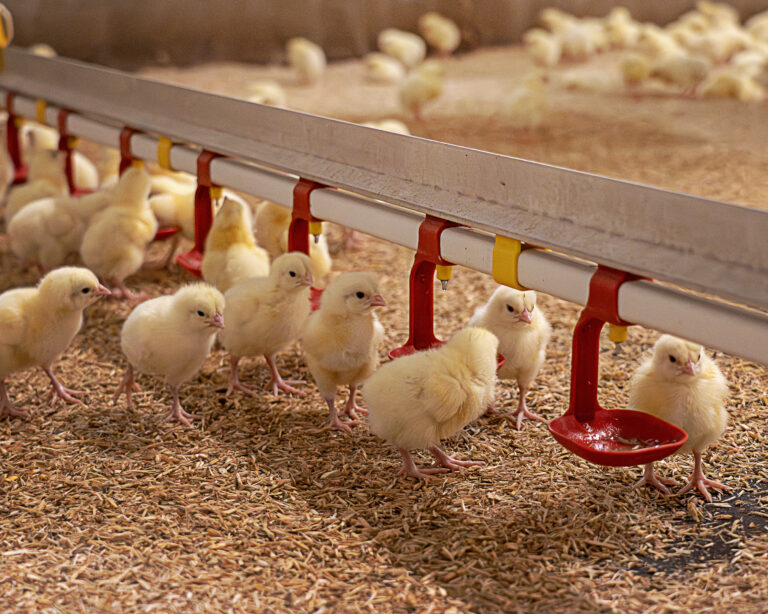
Chicks move into woodchip bedded sheds at 40g and are reared until 30 days at which point they are thinned out by a third, selling birds weighing 1.6kg.  The remainder stay until 38 days at 2.8kg.  Feed conversion averages 1.5 with 3-4% mortality.

“Hitting growth and feed conversion targets is key to the business and to our relationship with our processor,” says Adsetts.  “We need to control all we can and pay close attention to biosecurity to reduce the risk of pathogenic infections.  All sheds are vermin proofed, all feed comes from UFAS approved mills and we implement rigorous vehicle and human disinfection protocols.

“Central to our biosecurity is thorough and effective cleaning and disinfection between flocks as this is our one chance to prepare the building ahead of the next cycle of chicks arriving and ensure they go into the best environment.”

As soon as birds have left the farm, the sheds are cleaned by the farm team to remove all muck and bedding. They are blown down to remove any debris across the fittings, before being pre-soaked with a misting system before the washing team arrives. Adsetts explains this additional stage helps improve the effectiveness of the clean as the detergent lands on a damp surface.

The contract cleaning company washes all surfaces using a 2% foam detergent solution which is then left for 30-60 minutes before being rinsed off from the top to bottom of the shed. The buildings are then left overnight to dry before application of a disinfectant.

Neogen Viroxide Super, a Defra approved disinfectant, is applied using an orchard spray at 1%. This is left to stand for several hours with sheds vented to improve drying. The floors are then disinfected a second time with Neogen Farm Fluid MAX which is effective against the three leading strains of Eimeria – a protozoa which can lead to coccidiosis. In addition to chlorocresol (CMK), the primary biocide, Neogen Farm Fluid MAX includes a solvent for increased solubility, and a surfactant to meet challenging farm conditions.

Once the sheds are thoroughly dry, Adsetts swabs the drinking lines, feeding lines, floors and walls.  The swab results confirm how effective the protocol has been by giving a measure of bacterial activity.

There is real time pressure to complete the process if we are to hit the target for cycles and I want to leave buildings empty for seven days between cycles, even though Red Tractor stipulates just five days,” Adsetts adds.  “The turnaround time on swabs means the results are not back until after we have restocked, but they provide valuable information we can use to review the effectiveness of hygiene protocols to make more informed decisions next time.”

However, if producers are looking for instant results, they could opt for measuring adenosine triphosphate (ATP) and have valuable information on the effectiveness of their clean before new chicks arrive.

Dan Clow from Neogen stresses the importance of regularly reviewing the cleaning protocols to ensure they are as effective as possible. He explains that pathogens are constantly evolving, meaning habitual disinfectants may be less effective, making it important to review the disinfectants used.

“When developing a programme, it is important to ensure chemicals are used in the right order to prevent them from working against each other. It is also important to ensure they are used at the correct dilution, with an appropriate contact time to allow them to work.”

Adsetts believes regularly reviewing the programme helps keep on top of pathogen risks, tackling any areas of concern.  “We can manage the applications and the physical process, but we have to trust the chemistry.

“By paying attention to detail on cleaning and disinfection, we can ensure each new cycle gets off to the best possible start and reduce the risk of pathogens compromising how a cycle will grow and use feed efficiently,” he says.

Share. Facebook Twitter LinkedIn Email
Previous ArticleTools for a good brood
Next Article Cargill introduces body score assessment tool
Chloe Ryan

Editor of Poultry Business, Chloe has spent the past decade writing about the food industry from farming, through manufacturing, retail and foodservice. When not working, dog walking and reading biographies are her favourite hobbies.

Read Similar Stories

Broiler Production

Comment: Reflections on a year of lower stocking densities

July 3, 20263 Mins Read
Broiler Production

Comment: Our fan motors keep burning out

July 2, 20264 Mins Read
Housing

NI’s planning predicament

June 29, 20264 Mins Read
Latest News

Comment: My shooting is terrible, but at least I’m good at winning raffle prizes

July 10, 2026

CIWF reports on corporate cage-free commitments

July 9, 2026

Young poultry professionals invited to apply for free place at EPIC 2026

July 9, 2026
Sponsored Content

Longer laying cycles need longer Salmonella protection

July 1, 2026

Take Control of Your Farm’s Biosecurity with Livetec

May 1, 2026
© 2024 MA Agriculture Ltd, a Mark Allen Group company

Privacy Policy | Cookies Policy | Terms & Conditions

  • Farmers Weekly
  • AA Farmer
  • Farm Contractor
  • Pig World

Type above and press Enter to search. Press Esc to cancel.